

 English
 Spanish
 French
 German
 Italian
 Chinese (Simplified)
 Japanese
 Korean
 Arabic
 Portuguese
 Send Inquiry
Sole Tester
Price 2900 USD ($)/ Unit
MOQ : 1 Unit
Sole Tester Specification
- Test Range
- 0-999999 cycles
- Temperature
- Room temperature
- Mounting Type
- Floor standing
- Measuring Range
- 0-100 mm
- Interface Type
- Manual & Digital
- Equipment Type
- Sole Tester
- Max Height
- Approx. 500 mm
- Automation Grade
- Semi-automatic
- Application
- Used for flexing test of shoe soles
- Power Supply
- 220V AC, 50Hz
- Number of Specimens
- 2
- Humidity
- Up to 85% RH
- Accuracy
- ±1 cycle
- Port Size
- Standard
- Features
- Rugged construction, Easy to operate
- Operating Voltage
- 220V AC
- Response Time
- Instant
- Specimen Size
- Max. 80 mm wide
- Frequency
- 50 Hz
- Resolution
- 1 cycle
- Display Type
- Digital counter
- Usage
- Footwear/sole flexing test
- Capacity
- 2 samples
- Machine Weight
- 70 kg
- Test Speed
- 140 ±5 cpm
- Test Width
- Up to 80 mm
- Test Stroke
- 32 ±1 mm
- Control Mode
- Microprocessor controlled
- Construction
- Powder coated steel body
- Grip Type
- Clamping fixture with adjustable jaws
- Included Accessories
- Instruction manual, set of tools, sample clamps
- Finish
- Corrosion-resistant paint
- Cycle Counter
- Preset digital cycle counter
- Drive Mechanism
- Cam type
- Noise Level
- <70 dB
- Safety Features
- Emergency stop button, overload protection
Sole Tester Trade Information
- Minimum Order Quantity
- 1 Unit
- FOB Port
- Shenzhen
- Supply Ability
- 20 Units Per Month
- Delivery Time
- 15 Days
- Packaging Details
- Each set protected with resin fiber and PP film, then put into Strong wooden case with operation manual and video inside.
- Certifications
- CE,ISO
Sole Tester About
Sole inflection resistance tester HD-P833
The usage:
The tester is used for sole inflection resistance tester. Fix the shoe sole between the clamps. The sole incision is across the inflection axis. After several times inflection with certain angle, inspect the incision`s crack length. The tester has the function of returning. Convenient and timesaving.
Standard:
SATRA TM161,ISO 17707.
Parameter:
| Active clamps displacement | 41.50.5mm |
| Active inflection axis | 301mm |
| Speed | 125~150cpm |
| Inflection angel | 90 |
| Counter | LCD,0~999,999 three sole counters LCD |
| Volume | 101*59*58cm |
| Weight | 170kg |
| Power | 1,220V,50/60Hz,3A |
Rugged and Reliable Construction
The Sole Tester boasts a durable powder-coated steel body, finished with corrosion-resistant paint. Its robust design, cam type drive mechanism, and adjustable clamping fixture guarantee consistent performance during high-cycle flexing tests, making it ideal for demanding industrial environments.
Advanced Control and User-Friendly Operation
Equipped with a microprocessor-controlled digital counter, preset cycle programming, and intuitive manual & digital interfaces, the Sole Tester streamlines test setup and operation. Emergency stop and overload protection add layers of safety, while instant digital feedback and presets enhance user efficiency.
Precise Flexing Performance
Testing two specimens up to 80 mm wide simultaneously, the Sole Tester delivers consistent test strokes of 32 1 mm. The accurate cycle counter (1 cycle resolution) and measuring range up to 100 mm meet strict industry standards for footwear durability assessments.
FAQs of Sole Tester:
Q: How does the Sole Tester perform flexing tests on shoe soles?
A: The Sole Tester secures up to two shoe sole specimens with clamping fixtures, then flexes them using a cam type drive mechanism. Operators can preset the number of test cycles and monitor real-time data through the digital counter while the machine accurately simulates the flexing movements shoes endure during wear.Q: What are the benefits of using this Sole Tester for footwear testing?
A: Utilizing the Sole Tester ensures dependable, repeatable results when evaluating sole durability. Its rugged construction, corrosion-resistant finish, instant response digital counter, and safety features like emergency stop and overload protection make it a reliable choice for manufacturers, distributors, and suppliers.Q: When should the Sole Tester be employed during the shoe production process?
A: The Sole Tester is typically used during quality control phases, both in prototype development and before bulk production. This ensures that shoe soles conform to industry flexing standards and perform reliably in real-world conditions.Q: Where can this Sole Tester be installed and operated?
A: Designed as a floor-standing machine, the Sole Tester is suitable for use in laboratory, manufacturing, or quality assurance environments. Its 70 kg weight and standard port size facilitate stable mounting and easy integration into existing testing areas.Q: What is the process for testing shoe soles using this equipment?
A: Operators place up to two sole samples (maximum 80 mm wide) in the adjustable jaws, set test cycle parameters on the digital counter, and initiate the test. The machine will flex the specimens at preset speeds, recording cycles until the test completes or is manually stopped.Q: How does the Sole Tester ensure user safety during operation?
A: Safety features include an emergency stop button and overload protection, instantly halting operations in case of unexpected issues. The machines low noise level (<70 dB) and stable design further protect users in busy working environments.Q: What accessories and support are provided with the Sole Tester?
A: Each Sole Tester comes complete with an instruction manual, a set of essential tools, and sample clamps. These accessories facilitate quick installation, proper specimen mounting, and ease of maintenance, ensuring users can operate the machine efficiently.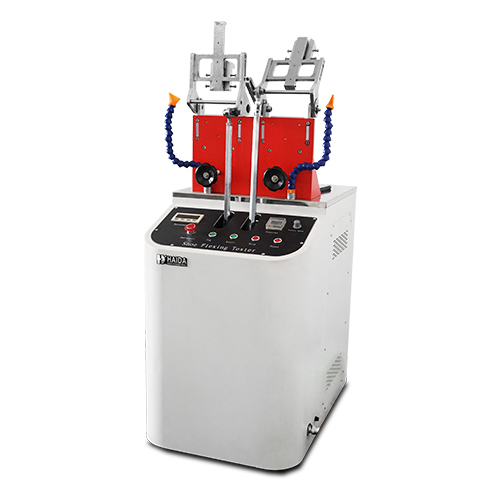
Tell us about your requirement

Price:
Quantity
Select Unit
- 50
- 100
- 200
- 250
- 500
- 1000+
Additional detail
Mobile number
Email

More Products in Shoes Test Equipment Category
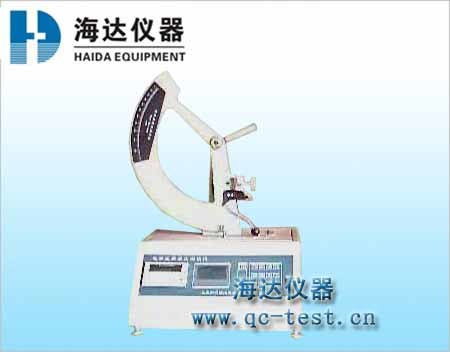
Shoe heel impact fatigue tester
Price 800 USD ($) / Unit
Minimum Order Quantity : 1 Unit
Temperature : 10C~35C
Test Range : 0~999999 impacts
Capacity : 2 test stations
Mounting Type : Freestanding
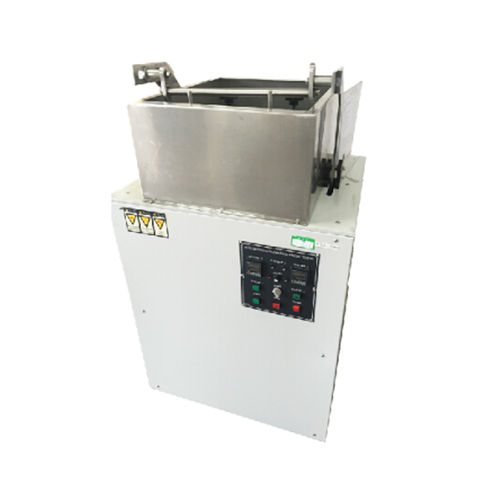
Shoe Bending Waterproof Test Machine
Minimum Order Quantity : 1 Square Centimeter
Temperature : Room Temperature (10C 40C)
Test Range : 0~999999 cycles
Capacity : 48 samples per batch
Mounting Type : Floor Standing
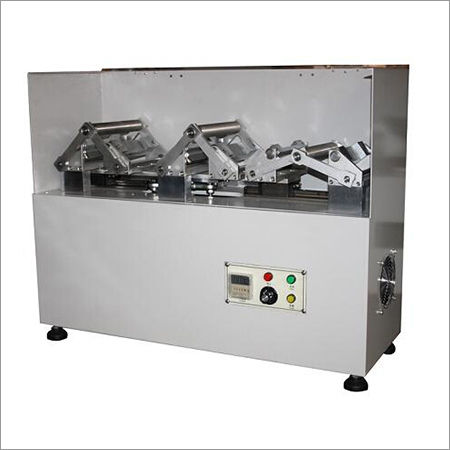
Shoes Outsole Flexing Test Equipment
Minimum Order Quantity : 1 set Set
Temperature : Room temperature (10~35C)
Test Range : Up to 80 mm flex angle
Capacity : 2 test stations
Mounting Type : Freestanding floor model
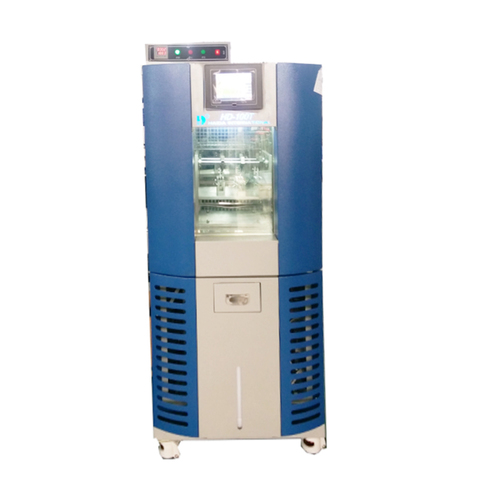
Low Temperature Flexing Tester
Price 2800 USD ($) / Set
Minimum Order Quantity : 1 Set
Temperature : 40C to +20C
Test Range : 40C to +20C
Capacity : Single or multiple specimens
Mounting Type : Floor Mounted

Contact Details
- FACTORY ADD: No.13 Daxin Street, Daluosha Industrial Zone, Daojiao Town,Dongguan - 523710, Guangdong, China
- Phone :86-1591-7693151
- haidads@qc-test.cn
 Send Inquiry
Email us : haidads@qc-test.cn
- Ms Lisa (Manager)
- Mobile : +8613662707979, +8613829267288, +8615016776323, +8618373745787, +8618236912012, +8613602361535, +8613925747786

|


 |
HAIDA INTERNATIONAL EQUIPMENT CO., LTD.
All Rights Reserved.(Terms of Use) Developed and Managed by Infocom Network Private Limited. |
