

 English
 Spanish
 French
 German
 Italian
 Chinese (Simplified)
 Japanese
 Korean
 Arabic
 Portuguese
 Send Inquiry
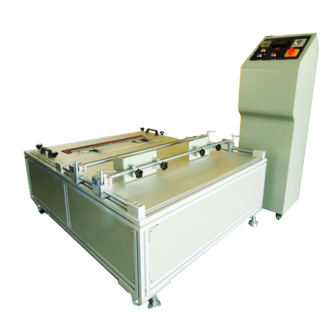
Baby Wheels Wear Testing Equipment
MOQ : 1 Set
Baby Wheels Wear Testing Equipment Specification
- Temperature
- 10C - 40C
- Display Type
- LCD digital display
- Frequency
- 50Hz
- Humidity
- 20% - 80% RH
- Equipment Type
- Baby Wheels Wear Testing Equipment
- Operating Voltage
- 220V
- Hardness
- Testing hardness upto 85 Shore
- Automation Grade
- Semi-automatic
- Interface Type
- Touch panel
- Resolution
- 1 cycle
- Mounting Type
- Floor standing
- Power Supply
- AC 220V, 50Hz
- Accuracy
- 1 cycle
- Specimen Size
- 200 mm diameter wheel
- Number of Specimens
- 2 positions
- Port Size
- 1/4 inch
- Measuring Range
- Adjustable speed and cycles
- Application
- Wear resistance test of baby stroller wheels
- Max Height
- 1000 mm
- Features
- Programmable, emergency stop, counter memory function
- Test Range
- 0 - 999999 cycles
- Gas Pressure
- 0.5 - 0.7 MPa
- Response Time
- Immediate on test completion
- Usage
- Laboratory, quality control
- Capacity
- 2 test positions
- Machine Weight
- Approx. 80 kg
- Test Speed
- 0-60 cycles/min adjustable
- Test Width
- 50 mm
- Test Stroke
- 300 mm
- Control Mode
- Digital display, programmable
- Material of Frame
- High-Strength Steel with Anti-Corrosion Coating
- Accessories Included
- Wheel Fixture Set, User Manual, Calibration Weights
- Data Recording
- Automatic and Manual options
- Noise Level
- 60 dB
- Motor Type
- Servo Motor Drive
- Safety Features
- Emergency stop, Overload protection
Baby Wheels Wear Testing Equipment Trade Information
- Minimum Order Quantity
- 1 Set
- FOB Port
- shenzhen
- Payment Terms
- Cash on Delivery (COD), Cash Advance (CA), Letter of Credit (L/C), Telegraphic Transfer (T/T), Western Union, Paypal, Letter of Credit at Sight (Sight L/C), Delivery Point (DP), Cash Against Delivery (CAD), Days after Acceptance (DA), Cash in Advance (CID), Cheque
- Supply Ability
- 30 Sets Per Month
- Delivery Time
- 15 Days
- Packaging Details
- Each set protected with resin fiber and PP film, then put into Strong wooden case with operation manual and video inside.
- Main Export Market(s)
- Australia, Eastern Europe, Western Europe, Africa, Central America, Middle East, South America, Asia, North America
Baby Wheels Wear Testing Equipment About
Baby Wheels Wear Testing Equipment
Purpose :
Baby Wheels Wear Testing Equipment is suitable for small wheel abrasion test , such as luggage , skates , baby carriage , trolley wheels . Can be measured wheel wear resistance and the overall structure for wear and deformation , the test results are available as a reference for improvement .
According to the standard
This instrument reference standard : QB / T 2917-2007
Instrument Specifications
Maintenance procedures
Cleaning : Always keeping the machine clean before and after each use , wipe the cotton machine application to keep clean .
Rust : Weekly on the surface of the metal parts of the machine once rust oil spray ( two hours after injection wipe ) .
Lubricants : Monthly regularly machine transmission parts ( such as screws ) filling lubrication ( you can use an ordinary lubricants ) .
Maintenance : Periodically check the control panel buttons correctly .
Purpose :
Baby Wheels Wear Testing Equipment is suitable for small wheel abrasion test , such as luggage , skates , baby carriage , trolley wheels . Can be measured wheel wear resistance and the overall structure for wear and deformation , the test results are available as a reference for improvement .
According to the standard
This instrument reference standard : QB / T 2917-2007
Instrument Specifications
| item | Specification |
| Test speed | 1 5km/hr adjustable , LED display |
| Time setting | 9999 minutes |
| Load | 10kg15kg20kg25kg30kg35kg |
| Weight ( about ) | about 95kg |
Maintenance procedures
Cleaning : Always keeping the machine clean before and after each use , wipe the cotton machine application to keep clean .
Rust : Weekly on the surface of the metal parts of the machine once rust oil spray ( two hours after injection wipe ) .
Lubricants : Monthly regularly machine transmission parts ( such as screws ) filling lubrication ( you can use an ordinary lubricants ) .
Maintenance : Periodically check the control panel buttons correctly .
Precision in Wheel Durability Testing
Built with a servo motor drive and high-strength steel frame, this equipment provides reliable and consistent testing for baby stroller wheels. The automatic and manual data recording features paired with a digital LCD display guarantee accurate results and easy monitoring, making it ideal for manufacturers, laboratories, and quality control departments.
Flexible and User-Friendly Operation
The programmable control mode, touch panel interface, and adjustable speed settings allow users to tailor tests to specific requirements. The included calibration weights and wheel fixture set simplify the setup and ensure ongoing measurement accuracy, while the emergency stop and overload protection add an extra layer of operational safety.
Optimized for Diverse Laboratory Environments
Designed for floor mounting with a compact footprint and robust construction, the system operates quietly and efficiently within a temperature range of 10C40C and humidity of 20%80% RH. Its versatile features support rigorous wear resistance assessments, enhancing overall product reliability and quality assurance.
FAQs of Baby Wheels Wear Testing Equipment:
Q: How does the Baby Wheels Wear Testing Equipment record test data?
A: The equipment offers both automatic and manual data recording options, enabling users to capture and analyze results directly via its touch panel LCD digital display.Q: What is the maximum test speed and how can it be adjusted?
A: Test speed can be precisely adjusted between 0 and 60 cycles per minute. The control is managed digitally through the programmable touch panel interface for tailored testing.Q: When should the emergency stop or overload protection be used during testing?
A: Emergency stop and overload protection are built-in safety features, crucial for halting operations immediately in case of malfunction, excessive load, or to prevent damage to specimens or the equipment.Q: Where can this equipment be utilized for optimal performance?
A: It is best suited for laboratory, manufacturing, and quality control settings where accurate, repeatable wheel wear tests are required on baby stroller wheels.Q: What is the process for setting up a wear resistance test?
A: Begin by mounting the wheel specimens (up to 200 mm diameter) in the fixture, attach calibration weights as needed, and select test parameters such as speed and stroke on the digital panel. The equipment automates the test cycle count and speed, ensuring precise wear simulation.Q: How does programmable control benefit the user?
A: Programmable control lets users customize test cycles, speed, and other parameters. This flexibility supports various testing standards and accommodates unique needs, improving both efficiency and result accuracy.Q: What are the key benefits of using this baby wheels testing equipment?
A: Key benefits include high test accuracy (1 cycle), quiet operation, robust safety measures, flexible programming, and comprehensive data capture. These features enhance quality control and ensure reliable product assessments.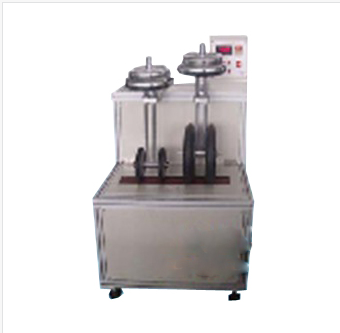
Tell us about your requirement

Price:
Quantity
Select Unit
- 50
- 100
- 200
- 250
- 500
- 1000+
Additional detail
Mobile number
Email

More Products in Baby Stroller / Bicycle / Toys Testing Machine Category
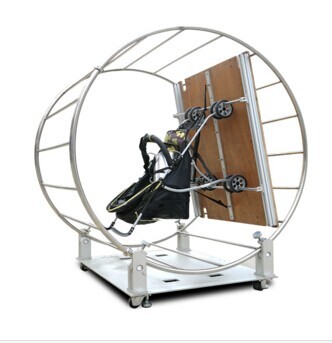
Baby Carriages 100 Turntable Testing Machine
Price Range 2500.00 - 4700.00 USD ($)
Minimum Order Quantity : 1 Set
Usage : Testing baby carriage durability and performance
Features : Adjustable speed, programmable cycles, safety enclosure
Application : Baby carriage rotation endurance and performance test
Coefficient of friction tester
Price 4000 USD ($) / Unit
Minimum Order Quantity : 1 Unit
Usage : Laboratory and Quality Control
Features : Microprocessor control, Digital display, Easy specimen clamping, Standard sled
Application : Packaging films, sheets, laminates, paper, foils, and flexible materials
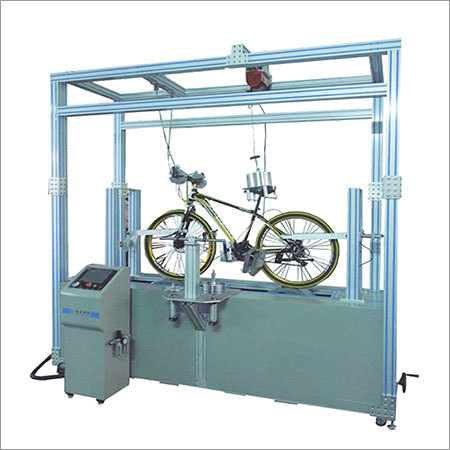
EN14764 Bike Dynamic Road Testing Machine
Price Range 20000.00 - 26000.00 INR
Minimum Order Quantity : 1 set Set
Usage : Laboratory, Quality Inspection
Features : Programmable Test Cycles, Emergency Stop, RealTime Data Display
Application : EN14764 Standard Bike Fatigue Testing
Baby Wheel Brake Abrasion Test Machines
Price 1 USD ($)
Minimum Order Quantity : 1 Set
Usage : Laboratory wheel abrasion and braking test
Features : PLC programmable, overload protection, userfriendly operation, emergency stop
Application : Wheel abrasion and brake performance testing for baby/kids strollers

Contact Details
- FACTORY ADD: No.13 Daxin Street, Daluosha Industrial Zone, Daojiao Town,Dongguan - 523710, Guangdong, China
- Phone :86-1591-7693151
- haidads@qc-test.cn
 Send Inquiry
Email us : haidads@qc-test.cn
- Ms Lisa (Manager)
- Mobile : +8613662707979, +8613829267288, +8615016776323, +8618373745787, +8618236912012, +8613602361535, +8613925747786

|


 |
HAIDA INTERNATIONAL EQUIPMENT CO., LTD.
All Rights Reserved.(Terms of Use) Developed and Managed by Infocom Network Private Limited. |
