

 English
 Spanish
 French
 German
 Italian
 Chinese (Simplified)
 Japanese
 Korean
 Arabic
 Portuguese
 Send Inquiry
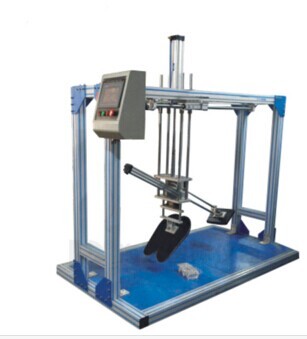
Sponge Foam Fatigue Tester
Price 1600 USD ($)/ Set
MOQ : 1 Set
Sponge Foam Fatigue Tester Specification
- Power Supply
- AC 220V 50/60Hz
- Operating Voltage
- 220V
- Equipment Type
- Sponge Foam Fatigue Tester
- Resolution
- 1 cycle
- Accuracy
- ±1 cycle
- Gas Pressure
- 0.5 - 0.7 MPa
- Display Type
- Digital LCD
- Port Size
- Standard 8 mm air port
- Frequency
- 100 cycles/min
- Humidity
- 20%-80% RH (recommended)
- Specimen Size
- 380 x 380 x 50 mm
- Number of Specimens
- 1 specimen at a time
- Application
- Foam and sponge resilience & fatigue testing
- Response Time
- Immediate
- Temperature
- 15°C - 35°C
- Hardness
- Not applicable (dependent on specimen)
- Interface Type
- Touch screen interface
- Automation Grade
- Automatic
- Max Height
- 900 mm
- Features
- Automatic cycle counting, safety shield, emergency stop
- Test Range
- 0-100,000 cycles
- Mounting Type
- Floor standing
- Measuring Range
- up to 100,000 cycles
- Usage
- Research and quality testing of foam materials
- Capacity
- up to 150 kg
- Machine Weight
- 120 kg
- Test Speed
- 100 ± 10 CPM (cycles per minute)
- Test Width
- 380 mm
- Test Stroke
- 100 mm adjustable
- Control Mode
- Digital PLC control
- Foot Adjustment
- Leveling feet for stability
- Noise Level
- Less than 70 dB
- Drive System
- Pneumatic cylinder-driven
- Safety Features
- Protective enclosure, power-off protection
- Body Material
- Powder-coated steel
- Cycle Counter
- 6-digit digital counter
- Platen Size
- 320 x 320 mm
Sponge Foam Fatigue Tester Trade Information
- Minimum Order Quantity
- 1 Set
- FOB Port
- Shenzhen
- Supply Ability
- 10 Sets Per Month
- Delivery Time
- 1 Week
- Packaging Details
- Each set protected with resin fiber and PP film, then put into Strong wooden case with operation manual and video inside.
- Certifications
- CE,ISO
Sponge Foam Fatigue Tester About
Product Introduction:
Sponge Foam Fatigue Tester Is Mainly used For fatigue reciprocating foam Polymeric material compression test, determination Of Resilience Formation rate. then We Can Know the Dynamic Fatigue properties Of Materials..
The Main Technical Parameters:
| Head speed: 100mm/Min; | Indentation hardness Measurement range: 0-2000.0 n |
| Force minimum Resolution: 0.25 N | The Measurement Accuracy: <1% |
| Indentation deformation precision < 0.25% | Loading capacity Values: 0-2000n Adjustable |
| The table Size: length 600mm Width *600mm* High 300mm (Support Plate size Is Larger Than The table Size) | Head size: 0.0314 square Meters (The Effective Stroke head from a to 200mm) |
| Stop Automatically after The Test, print The test report. | Host Size: 750*750*900mm |
| The Power Supply specification: 220v, 500w | Ambient Temperature: room Temperature |
| Environmental humidity: 80% | |
Precision Control For Reliable Testing
Utilizing advanced digital PLC control and a touch screen interface, the Sponge Foam Fatigue Tester allows users to configure precise test parameters including speed, stroke, and cycle range. Immediate response time and automatic cycle counting guarantee efficient and accurate fatigue assessment for foam materials.
Safety and Stability Assured
Engineered with a powder-coated steel body, protective enclosure, emergency stop system, and leveling feet, this tester prioritizes operator safety and machine stability. Power-off protection adds an extra layer of security, ensuring safe operation even in demanding environments.
Versatile Testing Capabilities
The machine can accommodate specimens up to 380 x 380 x 50 mm and weights of 150 kg, meeting a wide range of foam testing needs. With an adjustable stroke and digital LCD display, detailed and reproducible fatigue measurements are achievable, vital for research and industrial quality assurance.
FAQs of Sponge Foam Fatigue Tester:
Q: How is the Sponge Foam Fatigue Tester operated?
A: Operation is straightforward via a digital PLC control and touch screen interface. Users can set test parameters such as speed, cycle count, and test stroke, start the machine, and monitor progress on the digital LCD display.Q: What types of materials can be tested using this equipment?
A: The tester is specifically designed for evaluating foam and sponge materials, assessing their resilience and fatigue under repetitive loading conditions, for quality testing and research applications.Q: When should I use the fatigue tester for foam products?
A: It is recommended for any stage of research, product development, and routine quality control where foam or sponge resilience and longevity must be quantified before product release or certification.Q: Where is the optimal location to install the Sponge Foam Fatigue Tester?
A: Choose a stable, flat floor space with access to AC 220V power and an 8 mm air port. Adequate ventilation and moderate humidity (20%-80% RH) within temperature range 15C35C ensure efficient operation.Q: What is the process for conducting a fatigue test?
A: A single specimen, sized 380 x 380 x 50 mm and weighing up to 150 kg, is mounted on the machine. The operator sets test parameters and initiates the cycle. The machine automatically counts up to 100,000 cycles while maintaining adjustable speed and stroke. Results are displayed digitally.Q: How does the machine ensure safety during operation?
A: Multiple safety features include a protective enclosure, emergency stop button, power-off protection, and low noise level below 70 dB. These guarantee user safety and noise comfort throughout the testing process.Q: What are the benefits of using this fatigue tester for foam assessment?
A: Automated operation, high accuracy, stable performance, and rigorous safety features help labs, manufacturers, and suppliers achieve reliable foam fatigue measurements, improving product durability and consumer satisfaction.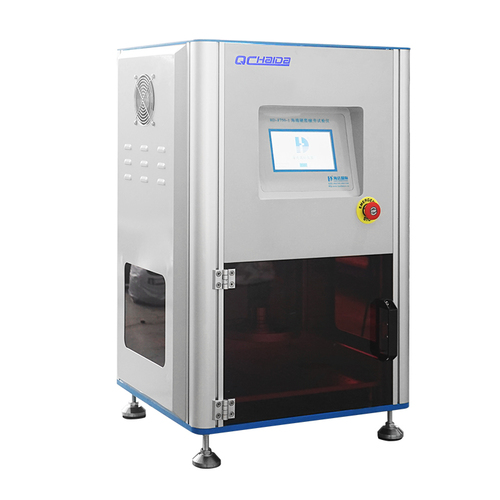
Tell us about your requirement

Price:
Quantity
Select Unit
- 50
- 100
- 200
- 250
- 500
- 1000+
Additional detail
Mobile number
Email

More Products in Furniture Test Equipment Category
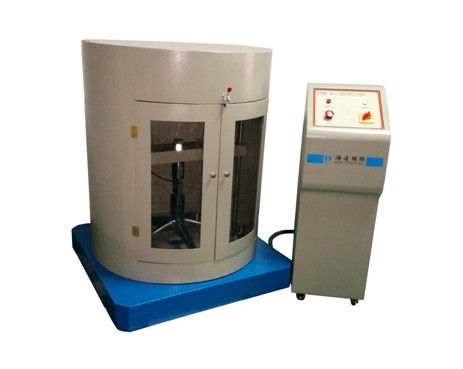
Automatic Chair Base Compression Testing Machine
Price 1600 USD ($) / Set
Minimum Order Quantity : 1 Set
Usage : Chair base compression performance test
Application : Furniture strength and durability testing
Power Supply : AC 220V, 50Hz
Mounting Type : Floor mounted
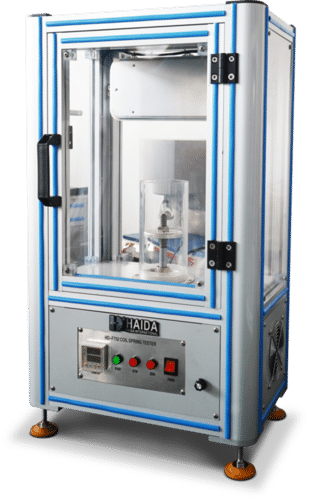
Sofa springtester
Price 5500 USD ($) / Unit
Minimum Order Quantity : 1 Unit
Usage : Laboratory and quality control
Application : Sofa spring fatigue and endurance testing
Power Supply : AC 220V, 50Hz
Mounting Type : Floorstanding
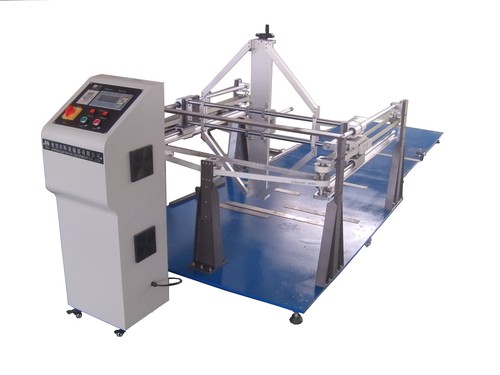
Caster Curability Tester
Price 9500 USD ($) / Unit
Minimum Order Quantity : 1 Unit
Usage : Industrial QC and research
Application : Testing the curability of caster wheels and similar materials
Power Supply : AC 220V 10%, 50Hz
Mounting Type : Benchtop
Chair Seat Arm and Back Testing Machine
Price 1 USD ($)
Minimum Order Quantity : 1 Set
Usage : Chair furniture testing
Application : Testing seat, arm and back strength/durability for chairs
Power Supply : AC 220V, 50Hz
Mounting Type : Floorstanding

Contact Details
- FACTORY ADD: No.13 Daxin Street, Daluosha Industrial Zone, Daojiao Town,Dongguan - 523710, Guangdong, China
- Phone :86-1591-7693151
- haidads@qc-test.cn
 Send Inquiry
Email us : haidads@qc-test.cn
- Ms Lisa (Manager)
- Mobile : +8613662707979, +8613829267288, +8615016776323, +8618373745787, +8618236912012, +8613602361535, +8613925747786

|


 |
HAIDA INTERNATIONAL EQUIPMENT CO., LTD.
All Rights Reserved.(Terms of Use) Developed and Managed by Infocom Network Private Limited. |
