

 English
 Spanish
 French
 German
 Italian
 Chinese (Simplified)
 Japanese
 Korean
 Arabic
 Portuguese
 Send Inquiry
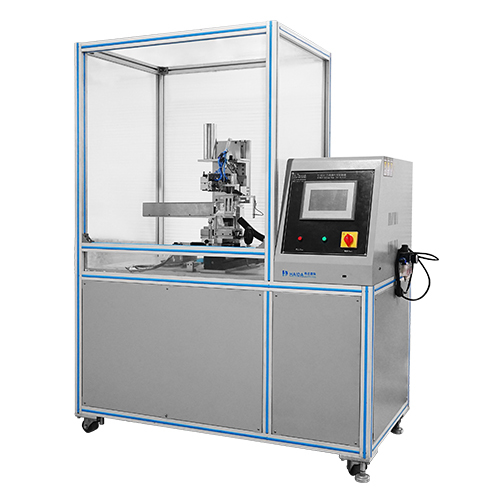
Abrasion resistance tester(non stick surface)
Price 4500 USD ($)/ Unit
MOQ : 1 Unit
Abrasion resistance tester(non stick surface) Specification
- Features
- Programmable test cycles, emergency stop, adjustable stroke length
- Mounting Type
- Table Top
- Operating Voltage
- 220V AC
- Humidity
- 30% 85% RH
- Automation Grade
- Semi-Automatic
- Application
- Determination of abrasion resistance for non-stick coated surfaces
- Power Supply
- 220V, 50Hz AC
- Port Size
- 6 mm (air inlet)
- Test Range
- 0 99999 cycles
- Temperature
- Ambient, 10C 40C
- Number of Specimens
- 1 or 2 (parallel testing)
- Resolution
- 1 cycle
- Specimen Size
- 100 mm x 100 mm
- Interface Type
- RS232
- Display Type
- Digital LCD
- Response Time
- Instantaneous
- Measuring Range
- Up to 99999 cycles
- Accuracy
- 1 cycle
- Gas Pressure
- 4 6 bar
- Equipment Type
- Abrasion Resistance Tester (Non Stick Surface)
- Max Height
- 250 mm
- Frequency
- 50 Hz
- Usage
- Lab testing of cookware, bakeware, and industrial non-stick coatings
- Capacity
- Single/dual station
- Machine Weight
- Approx. 45 kg
- Test Speed
- 15 60 cycles/min
- Test Width
- 100 mm
- Test Stroke
- 60 200 mm (adjustable)
- Control Mode
- Digital (Microprocessor-based)
- Timer
- Programmable test timer (0-99999 cycles)
- Compliance
- ISO, ASTM standards for abrasion testing
- Abrasive Type
- Standard synthetic scrub pads or custom options
- Accessories Included
- Abrasive pads, sample holders, operation manual
- Safety Protection
- Safety shield with interlock
- Noise Level
- < 70 dB
- Sample Holder Material
- Stainless steel
- Dimension (LxWxH)
- 600 x 400 x 420 mm
Abrasion resistance tester(non stick surface) Trade Information
- Minimum Order Quantity
- 1 Unit
- FOB Port
- Shenzhen
- Supply Ability
- 20 Units Per Month
- Delivery Time
- 15 Days
- Packaging Details
- Each set protected with resin fiber and PP film, then put into Strong wooden case with operation manual and video inside.
- Certifications
- CE,ISO
Abrasion resistance tester(non stick surface) About
Abrasion Resistance Tester(Non Stick Surface) (Hd-m009)The Usage:
This Scratch Resistance Test Equipment Applies a Hard Pointed Object Under a Fixed Load and a Controlled Speed. After Which the Resultant Damage to the Surface Can Be Assessed.
The Main Parameters and Features:
- Use a 1mm Diameter Tungsten Carbide Ball Point Pen as Stylus
- Downward Force:5 0.1n
- Travel Stroke:90mm
- Speed:0.08 0.01m/s
- Hot Plate:diameter 180 20mm,1500w
- Temperature Controller:0-400c,accuracy: 2c
Precision Abrasion Testing
With programmable cycles and microprocessor-based controls, this tester accurately measures the abrasion resistance of non-stick coatings. Adjustable stroke length and speed allow for versatile testing, ensuring reliable results across diverse sample types.
Comprehensive Safety and Compliance
Safety features like the shield with interlock and emergency stop meet lab requirements, while ISO and ASTM compliance ensure validity for research and quality assurance purposes. Noise levels are maintained below 70 dB for a comfortable workspace.
Flexible Accessories and Dual Station Capability
The tester comes equipped for immediate use, with abrasive pads and stainless steel holders included. Dual station parallel testing maximizes throughput, supporting efficient evaluation for manufacturers, suppliers, and researchers.
FAQs of Abrasion resistance tester(non stick surface):
Q: How does the abrasion resistance tester measure non-stick coating durability?
A: The tester uses standard synthetic scrub pads or custom abrasive types to simulate repeated surface wear, measuring the number of cycles until failure or reduction in non-stick properties. Programmable controls and digital LCD display ensure precise results.Q: What samples can be tested using this equipment?
A: It is designed for lab testing of cookware, bakeware, and industrial non-stick coatings, accepting specimens sized 100 mm x 100 mm. Single or dual samples can be tested simultaneously for parallel analysis.Q: When is the ideal environment to operate the tester?
A: Operate the tester in ambient laboratory conditions ranging from 10C to 40C; humidity should be between 30% and 85% RH. Ensure proper ventilation and meet the necessary power and air supply specifications.Q: Where can the abrasion resistance tester be installed?
A: Its compact, table-top mounting makes it ideal for laboratory benches in research centers, manufacturing plants, and quality assurance departments. The machines dimensions (600 x 400 x 420 mm) allow for easy placement.Q: What is the process for conducting a test?
A: Place the sample in the stainless steel holder, select and install the appropriate abrasive pad, set the desired test cycles and stroke length, and initiate the test via the digital control. Results are displayed instantly, and safety features protect users throughout operation.Q: How does the safety shield with interlock benefit users?
A: The shield with interlock ensures operational safety by preventing access during testing. If the shield is opened, the machine automatically halts, minimizing risks associated with abrasion testing.Q: What accessories are included for immediate use?
A: Abrasive pads, sample holders, and a comprehensive operation manual come standard, enabling users to start testing without additional purchases. Optional custom abrasive types can also be accommodated.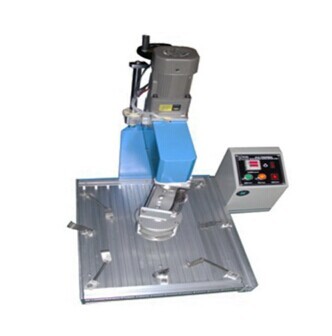
Tell us about your requirement

Price:
Quantity
Select Unit
- 50
- 100
- 200
- 250
- 500
- 1000+
Additional detail
Mobile number
Email

More Products in Cookware Testing Equipment Category
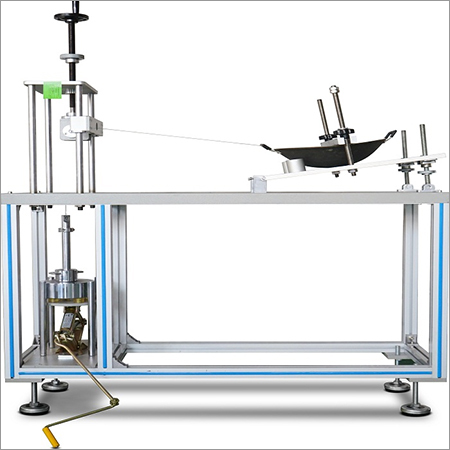
Cookware Handle Pull Resistance Testing Machine
Price Range 8500.00 - 13000.00 USD ($)
Minimum Order Quantity : 1 Set
Humidity : 85% RH
Automation Grade : Automatic
Features : Microcomputer control, automatic data recording, realtime display
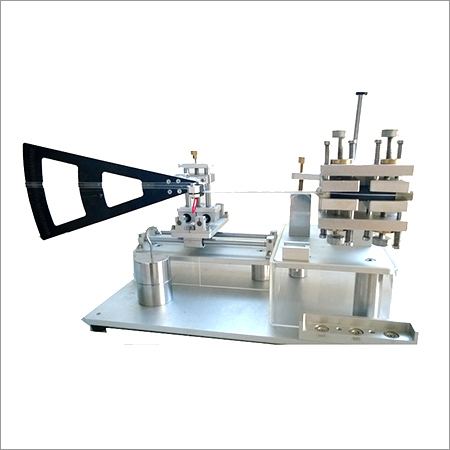
Knives Bending Strength Tester
Price Range 3500.00 - 4000.00
Minimum Order Quantity : 1 Set
Humidity : 2080% RH operating
Automation Grade : SemiAutomatic
Features : Automatic data recording and printout
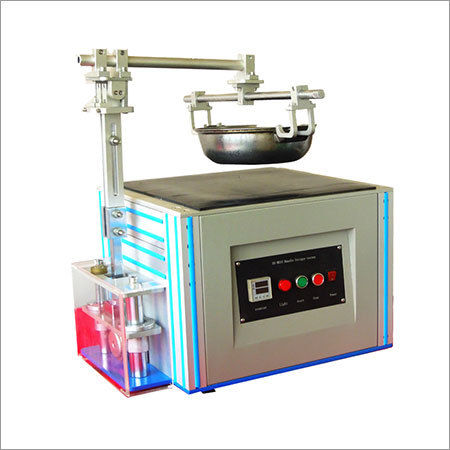
Cooking Pot Handle Fatigue Testing Machine
Price Range 2500.00 - 4500.00
Minimum Order Quantity : 1 Set
Humidity : 30%85% RH
Automation Grade : Fully automatic
Features : Programmable cycle count, emergency stop, automatic shutdown
Cutlery Cutting Performance Tester
Price 1200 USD ($) / Unit
Minimum Order Quantity : 1 Unit
Humidity : 80% RH (noncondensing)
Automation Grade : Automatic
Features : Automatic cutting cycle, touchscreen panel, safety enclosure

Contact Details
- FACTORY ADD: No.13 Daxin Street, Daluosha Industrial Zone, Daojiao Town,Dongguan - 523710, Guangdong, China
- Phone :86-1591-7693151
- haidads@qc-test.cn
 Send Inquiry
Email us : haidads@qc-test.cn
- Ms Lisa (Manager)
- Mobile : +8613662707979, +8613829267288, +8615016776323, +8618373745787, +8618236912012, +8613602361535, +8613925747786

|


 |
HAIDA INTERNATIONAL EQUIPMENT CO., LTD.
All Rights Reserved.(Terms of Use) Developed and Managed by Infocom Network Private Limited. |
