

 English
 Spanish
 French
 German
 Italian
 Chinese (Simplified)
 Japanese
 Korean
 Arabic
 Portuguese
 Send Inquiry
Shoe Lace And Eyelet Abrasion Tester
Price 3500 USD ($)/ Unit
MOQ : 1 Unit
Shoe Lace And Eyelet Abrasion Tester Specification
- Load Power
- 30 W
- Usage & Applications
- To determine resistance of shoe lace or cord to abrasion caused by rubbing against eyelets in footwear
- Voltage
- 220 V
- Weight
- Approx. 40 kg
- Color
- Blue / White (as per manufacturer standard)
- Product Type
- Shoe Lace and Eyelet Abrasion Tester
- Speed Range
- 60-100 cycles/min
- Features
- Sturdy construction, smooth operation, interchangeable holders, digital preset counter
- Frame Type
- Heavy Duty Mild Steel Body
- Power
- 220V AC
- Power Supply
- AC 220V, 50 Hz
- Phase
- Single Phase
- Control Mode
- Digital Counter
- Capacity
- 2 specimens at a time
- Gauge
- Provided for correct specimen setup
- Display Type
- Digital
- Accuracy
- ±1%
- Frequency
- 50 Hz
- Dimension (L*W*H)
- 650 x 400 x 400 mm
- Stroke
- 25 mm
- Automation Grade
- Semi-Automatic
- Number of Work Stations
- 2
- Counter Range
- 0-999999 cycles
- Test Specimen
- Shoe lace
- Test Standard Compliance
- IS 4773, SATRA TM 27, ISO 4643
- Ambient Temperature Range
- 10C to 35C
- Clamping Mechanism
- Screw Clamp System
- Optional Accessories
- Additional specimen holders
- Eyelet Material Holder
- High-grade brass/steel
- Movement Method
- Back-and-forth reciprocating motion
- Body Finish
- Powder Coated
Shoe Lace And Eyelet Abrasion Tester Trade Information
- Minimum Order Quantity
- 1 Unit
- FOB Port
- SHENZHEN
- Payment Terms
- Letter of Credit (L/C), Western Union, Paypal, Cash on Delivery (COD), Letter of Credit at Sight (Sight L/C), Delivery Point (DP), Cash Against Delivery (CAD), Telegraphic Transfer (T/T), Days after Acceptance (DA), Cash in Advance (CID), Cheque, Cash Advance (CA)
- Supply Ability
- 15 Units Per Week
- Delivery Time
- 5 Days
- Sample Policy
- Contact us for information regarding our sample policy
- Packaging Details
- Each set protected with resin fiber and PP film, then put into Strong wooden case with operation manual and video inside.
- Main Export Market(s)
- Australia, North America, Africa, Central America, Eastern Europe, Middle East, South America, Western Europe, Asia
- Certifications
- CE,ISO
Shoe Lace And Eyelet Abrasion Tester About
Shoe lace and eyelet abrasion tester
introduction
This Shoe lace and eyelet abrasion tester is use to test abrasion of shoe lace and eyelet.
Standard Features
Test group | 6 groups |
Load | ( 4555)g x6pcs |
Counter | LCD, 0~999, 999 |
Standard eyelet | 1. Brass: Inner diameter4.5mm 2. Fiberboard:25x25x3mm |
Travel | 762 mm |
Test speed | 1005cpm |
Eye | 4.5 mm |
Dimension | 57x58x41cm |
Weight | 60kg |
Power | 1,AC 220V, 50Hz, |
Robust Construction and Precision Engineering
Built with a heavy-duty powder-coated steel frame, the tester offers excellent durability and stability during operation. Its advanced screw clamp system and high-grade brass/steel eyelet holders guarantee consistent and secure specimen positioning. The digital counter and preset control deliver accurate cycle counts, enhancing testing reliability for manufacturers and quality controllers.
Versatile Operation with International Standards Compliance
Capable of testing two specimens simultaneously, the tester operates in a controlled environment with a speed range of 60-100 cycles per minute. It fully complies with IS 4773, SATRA TM 27, and ISO 4643 testing standards, making it well-suited for global footwear testing requirements. The machines modular design allows for easy adaptation with optional accessories, accommodating a wide spectrum of cord and lace materials.
User-Friendly Process and Comprehensive Testing Features
Thanks to its intuitive digital display, semi-automatic control mode, and provided gauge, users can quickly set up samples and monitor tests efficiently. The reciprocating motion simulates real-world abrasion scenarios, providing valuable data on product longevity. Smooth operation and the robust clamping system minimize user intervention while ensuring reproducible testing outcomes for increased efficiency.
FAQs of Shoe Lace And Eyelet Abrasion Tester:
Q: How does the Shoe Lace And Eyelet Abrasion Tester operate?
A: The tester simulates shoe lace wear by reciprocating the specimen back and forth over high-grade eyelets, replicating real-life abrasion. The screw clamp system securely holds the lace, and a digital counter tracks the number of cycles until failure or completion, ensuring consistent and accurate testing results.Q: What is the main benefit of using this abrasion tester for manufacturers and quality control teams?
A: This tester helps manufacturers and quality controllers assess the durability of shoe laces and cords in compliance with international standards (IS 4773, SATRA TM 27, ISO 4643). Reliable, repeatable results enable informed product improvements, minimize failure rates, and maintain product quality, supporting robust market competitiveness.Q: When should I consider running tests with this machine?
A: Testing should be conducted during product development, before product launches, and as part of routine quality control procedures. Regular use ensures that shoe laces meet the required durability standards for various market regions and customer expectations.Q: Where is this tester typically used?
A: The Shoe Lace And Eyelet Abrasion Tester is widely utilized in footwear manufacturing facilities, testing laboratories, and quality assurance departments. It is suitable for dealers, exporters, and suppliers who require reliable abrasion data for laces and cords used in shoes and similar products.Q: What is the process for setting up and running a test?
A: Operators place the shoe lace in the clamp system, ensuring correct alignment using the provided gauge. The eyelet holders are adjusted as needed, and the digital counter is preset to the desired cycle range. After starting, the tester performs reciprocating motion at the selected speed until the preset number of cycles is reached or the lace fails.Q: How is accuracy ensured during testing?
A: The testers digital control system, preset counter, and precision gauge for specimen setup maintain accuracy within 1%. High-quality construction and tightly engineered components further guarantee repeatable, reliable results every time.Q: What optional accessories are available, and how do they enhance usability?
A: Additional specimen holders can be obtained to test different types or sizes of laces and cords. These accessories increase the testers versatility, expanding its application range for various product lines or custom testing scenarios.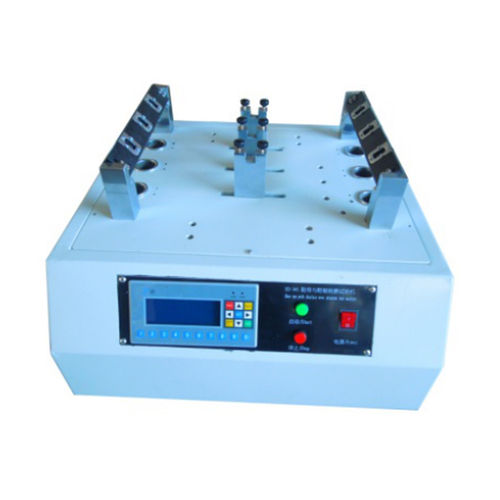
Tell us about your requirement

Price:
Quantity
Select Unit
- 50
- 100
- 200
- 250
- 500
- 1000+
Additional detail
Mobile number
Email

More Products in Rubber and Plastic Test Equipment Category
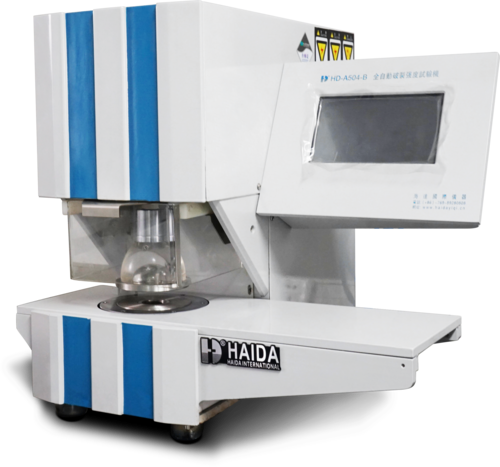
Automatic Brust Strength Tester Series
Price 2500 USD ($) / Unit
Minimum Order Quantity : 1 Unit
Color : Blue & Grey
Weight : 85 kg
Load Power : 200 W
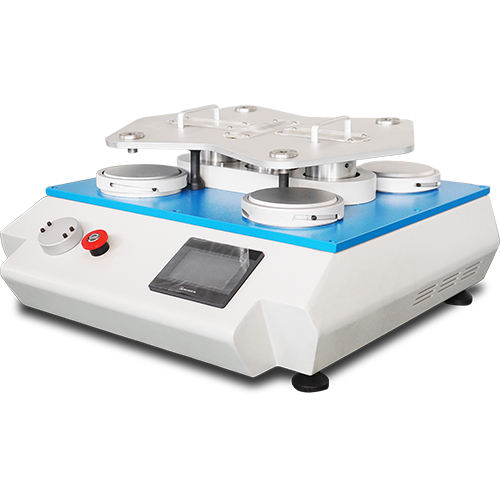
Martindale Abrasion and Pilling Tester
Price Range 1500.00 - 2500.00 INR
Minimum Order Quantity : 1 set Unit
Color : Grey and White
Weight : Approx. 85 kg
Load Power : 2.5 kg / 9 kPa, 3.0 kg / 12 kPa
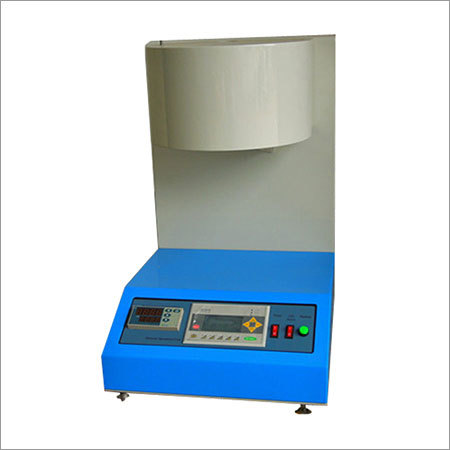
PP and PE Melt Flow Testing Machines
Price Range 1500.00 - 5500.00 USD ($)
Minimum Order Quantity : 1 Set
Color : Blue & White
Weight : Approx. 3040 kg
Load Power : 600W
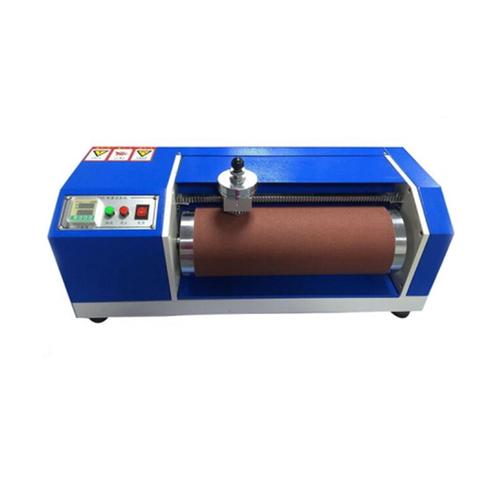
DIN Abrasion Test
Price 1250 USD ($) / Piece
Minimum Order Quantity : 1 Piece
Color : Blue / Grey
Weight : 90 kg
Load Power : 5 N

Contact Details
- FACTORY ADD: No.13 Daxin Street, Daluosha Industrial Zone, Daojiao Town,Dongguan - 523710, Guangdong, China
- Phone :86-1591-7693151
- haidads@qc-test.cn
 Send Inquiry
Email us : haidads@qc-test.cn
- Ms Lisa (Manager)
- Mobile : +8613662707979, +8613829267288, +8615016776323, +8618373745787, +8618236912012, +8613602361535, +8613925747786

|


 |
HAIDA INTERNATIONAL EQUIPMENT CO., LTD.
All Rights Reserved.(Terms of Use) Developed and Managed by Infocom Network Private Limited. |
