

 English
 Spanish
 French
 German
 Italian
 Chinese (Simplified)
 Japanese
 Korean
 Arabic
 Portuguese
 Send Inquiry
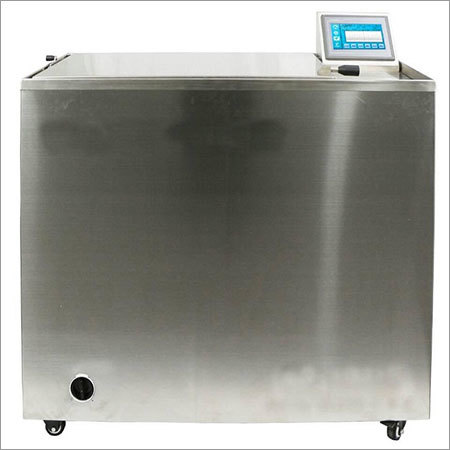
Electronic Crock Meter For Textile
Price 2500 USD ($)/ Unit
MOQ : 1 Unit
Electronic Crock Meter For Textile Specification
- Number of Specimens
- 1
- Specimen Size
- 50 x 130 mm
- Temperature
- Ambient
- Test Range
- 1 ~ 999 cycles
- Test Material
- Textile, Fabric, Yarn
- Type
- Electronic Crock Meter
- Material
- Stainless Steel and Powder Coated Steel
- Power
- 220V AC, 50Hz
- Power Source
- Electric
- Dimension (L*W*H)
- 430 x 250 x 230 mm
- Weight
- 18 kg
- Usage
- Color Fastness Testing
- Application
- Textile Industry, Fabric, Dye Testing
- Accessories Included
- Rub Test Paper, Electrical Cord, Instruction Manual
- Rubbing Length
- 104 3 mm
- Rotation per Cycle
- 1 Cycle = 1 back-and-forth motion
- Sample Hold Down Pressure
- Not less than 22N
- Rubbing Finger Weight
- 9N (900g)
- Surface Finish
- Powder Coated Body
- Operation Method
- Automatic, Motor Driven
- Display
- Digital Counter
- Rubbing Finger Diameter
- 16 mm
- Standards
- IS: 766-1988, ISO 105 X12, BS 1006 D02, AATCC 8/165
Electronic Crock Meter For Textile Trade Information
- Minimum Order Quantity
- 1 Unit
- FOB Port
- shenzhen
- Supply Ability
- 10 Units Per Month
- Delivery Time
- 1 Week
- Packaging Details
- Each set protected with resin fiber and PP film, then put into Strong wooden case with operation manual and video inside.
- Main Domestic Market
- Chandigarh, Himachal Pradesh, Nagaland, South India, Haryana, East India, West India, Assam, Arunachal Pradesh, Bihar, Delhi, Gujarat, Goa, Jammu and Kashmir, Jharkhand, Maharashtra, Mizoram, Meghalaya, Manipur, Rajasthan, Sikkim, Tamil Nadu, Telangana, Tripura, West Bengal, Kerala, Andaman and Nicobar Islands, Pondicherry, Daman and Diu, Uttarakhand, Dadra and Nagar Haveli, Lakshadweep, Uttar Pradesh, Karnataka, Madhya Pradesh, North India, Punjab, Andhra Pradesh, Central India, Odisha, Chhattisgarh, All India
- Certifications
- ISO105-X12 GB/T3920-2008 AATCC 2004 AATCC 8-2013 AATCC 165-1999
Electronic Crock Meter For Textile About
Electronic Crock Meter For Textile
Product introduction
Electronic Crock Meter ,also as a kind of textile testing equipment,is suitable for textiles, fabric, leather, electrochemical metal plate, printing and other industries products to do the color fastness to rubbing test evaluation.
Electronic Crock Meter Test standards: ISO105-X12 GB/T3920-2008 AATCC 2004 AATCC 8-2013 AATCC 165-1999
Electronic Crock Meter Test ways
Rub the specimen with a piece of wet cloth and dry cloth separately,textile testing, and then to evaluate the color staining and discoloration by a grey scale for color assessment.
Electronic Crock Meter Features
The important parts such as crank are made by high quality stainless steel.
Rectangle friction head of 1925 mm is supplied to test the woolen fabrics, and round friction head of dia. 16mm to test the other various fabrics.
Electronic Crock Meter Specification
| Friction head pression | 9N |
| Dia. Of the friction head | 19*25mm or16 mm |
| Reciprocating times | 1-9999x100 |
| Reciprocating stroke | 1043mm |
| Reciprocating speed | 603 times/min |
| Test bed lining thickness | 0.25 mm |
| power | 1AC 220V,3A |
| Machine size | 750200200mm |
| Machine weight | 21Kg |
Consistent Testing for Precise Results
This automatic, motor-driven crock meter allows uniform application of force and rubbing length, minimizing human error and variability. With its digital counter, users can monitor each test from 1 to 999 cycles, ensuring tests are performed according to precise parameters for reliable, repeatable outcomes. Built to adhere to international test standards, it is an essential tool for textile laboratories and quality control.
User-Friendly Operation and Versatile Application
The color fastness tester is designed for convenience with a straightforward digital display, automatic operation, and included accessories such as rub test paper and an instruction manual. Suitable for various materialsfabric, dye, textile, or yarnthe meter is widely used in textile industry laboratories for dye and fabric durability testing.
FAQs of Electronic Crock Meter For Textile:
Q: How does the Electronic Crock Meter operate during a color fastness test?
A: The Electronic Crock Meter operates automatically, using a motor-driven mechanism that moves the rubbing finger with a diameter of 16 mm and a weight of 9N back and forth over a textile specimen. The cycle count is controlled by the digital counter, and the test is performed as per standard protocols.Q: What types of materials can be tested with this crock meter?
A: This crock meter is suitable for testing textiles, fabrics, yarns, and dyed materials. It verifies the color fastness of these samples by subjecting them to controlled rubbing in accordance with industry standards.Q: When should I use the Electronic Crock Meter for testing?
A: Use the Electronic Crock Meter during product development, quality control, production, or prior to shipment to ensure that the color fastness of your textile products meets required international standards and customer expectations.Q: Where is this device commonly used in the textile industry?
A: This tester is commonly used in textile laboratories, quality assurance departments of manufacturing units, dye houses, export houses, and research organizations involved with fabrics and yarns.Q: What is the testing process with the Electronic Crock Meter?
A: Place the textile specimen (50 x 130 mm) and rub test paper in the machine. Set the desired number of cycles (1999) on the digital counter, close the holder to apply at least 22N pressure, and start the automatic test. The machine will perform rubbing motions as specified, after which you can analyze the color transfer.Q: How does using this crock meter benefit my textile operations?
A: By providing consistent, standardized test results, the crock meter helps you maintain product quality, meet international standards, and reduce the risk of color transfer complaints from customers, ultimately enhancing your brand reputation.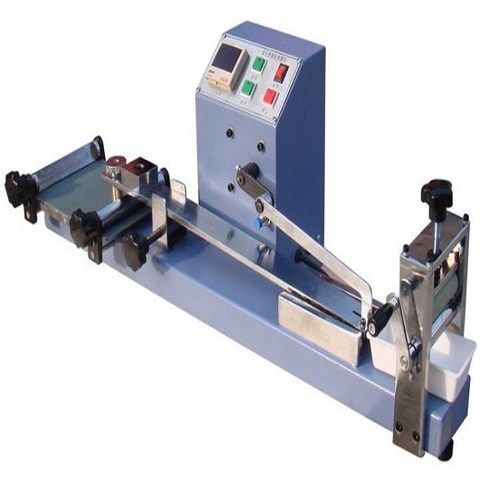
Tell us about your requirement

Price:
Quantity
Select Unit
- 50
- 100
- 200
- 250
- 500
- 1000+
Additional detail
Mobile number
Email

More Products in Textile Test Equipment Category
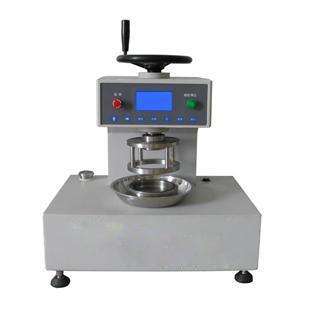
Hydrostatic Head Testing Equipment For Textile
Price 1088 USD ($) / Unit
Minimum Order Quantity : 1 Unit
Type : Other, Hydrostatic Head Tester
Material : Stainless Steel and Acrylic
Test Range : 05000 mm H2O
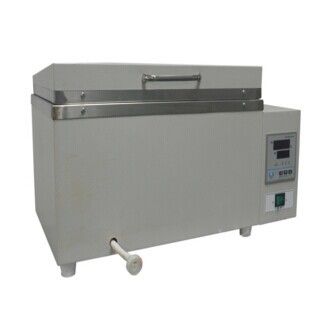
Textile Fabric Water Bath Testing Machine
Price 1050 USD ($) / Unit
Minimum Order Quantity : 1 Unit
Type : Other, Water Bath Testing Machine
Material : Stainless Steel
Test Range : Ambient to 100C
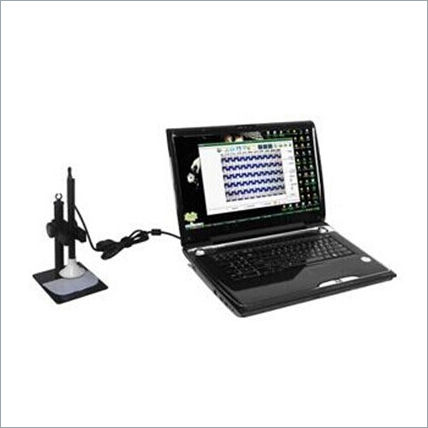
Fabric Density Meter
Price 1500 USD ($) / Unit
Minimum Order Quantity : 1 Unit
Type : Other, Handheld Fabric Density Meter
Material : Aluminum Body with Glass Scale
Test Range : Up to 60 ends/cm or 150 ends/inch
Textile Colour Fastness To Washing Tester
Price Range 1000.00 - 6500.00 USD ($)
Minimum Order Quantity : 1 Set
Type : Other, Colour Fastness To Washing Tester
Material : Stainless Steel
Test Range : Up to 12 jars per batch

Contact Details
- FACTORY ADD: No.13 Daxin Street, Daluosha Industrial Zone, Daojiao Town,Dongguan - 523710, Guangdong, China
- Phone :86-1591-7693151
- haidads@qc-test.cn
 Send Inquiry
Email us : haidads@qc-test.cn
- Ms Lisa (Manager)
- Mobile : +8613662707979, +8613829267288, +8615016776323, +8618373745787, +8618236912012, +8613602361535, +8613925747786

|


 |
HAIDA INTERNATIONAL EQUIPMENT CO., LTD.
All Rights Reserved.(Terms of Use) Developed and Managed by Infocom Network Private Limited. |
