

 English
 Spanish
 French
 German
 Italian
 Chinese (Simplified)
 Japanese
 Korean
 Arabic
 Portuguese
 Send Inquiry
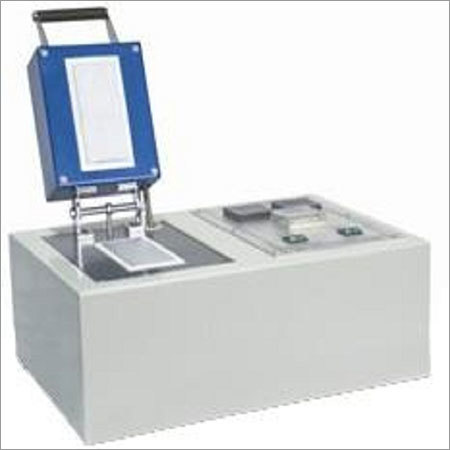
Rubbing Fastness Tester For Textile
MOQ : 1 Set
Rubbing Fastness Tester For Textile Specification
- Test Range
- 1 9 Grade
- Number of Specimens
- 1 or 2 specimens per test
- Humidity
- 20%70% RH (as per test standard)
- Temperature
- 10C 40C
- Specimen Size
- 100mm x 20mm
- Test Material
- Fabrics, Textiles, Dyed & Printed Materials
- Type
- Manual/Automatic (Optional)
- Material
- Stainless Steel and Aluminium Alloy
- Power
- 220V/50Hz, 40W
- Power Source
- Electric
- Dimension (L*W*H)
- 410mm x 150mm x 210mm
- Weight
- Approx. 12 kg
- Usage
- Testing the color fastness to rubbing of textiles
- Application
- Textile, Fabric, Dyeing Industry, Textile Laboratory
- Rubbing Head Diameter
- 16mm
- Cloth Holder
- Spring loaded for firm specimen mounting
- Conformity Standard
- ISO 105 X12, AATCC 8 & 165 and related standards
- Accessories Supplied
- Standard rubbing cloth & user manual
- Noise Level
- 60 dB(A)
- Rubbing Stroke Length
- 104 3 mm
- Finish
- Corrosion Resistant Powder Coated
- Counter
- Digital preset counter up to 9999 cycles
- Drive Mechanism
- Crank & lever with low-friction bushings
Rubbing Fastness Tester For Textile Trade Information
- Minimum Order Quantity
- 1 Set
- FOB Port
- Shenzhen China
- Supply Ability
- 150 Sets Per Month
- Delivery Time
- 15 Days
- Packaging Details
- Each set protected with resin fiber and PP film, then put into Strong wooden case with operation manual and video inside.
Rubbing Fastness Tester For Textile About
Our company is the reliable manufacturer and supplier of Rubbing Fastness Tester For Textile. Additionally as a sort of material testing equipment which is utilized for testing the transference of shading from the surface of one material to another by either wet or dry rubbing. The example for these are rubbed with dry, standard cotton fabric (Crocking material) and once more, it appropriate with wet fabric. The recoloring of the crocking fabrics is surveyed with a Gray Scale. Rubbing Fastness Tester For Textile can be available at market leading rates.
Usage :
Rubbing Fastness Tester is to decide shading quickness of material to dry or wet rubbing.
Precision Testing for Textile Color Fastness
Guarantee consistent quality in textiles with this robust rubbing fastness tester. The machine supports test ranges from grade 1 to 9, allowing professionals to assess color durability under friction. Compatible with fabrics, textiles, dyed, and printed materials, it is an essential device for manufacturers, laboratories, and traders, ensuring compliance with leading global standards.
Durable Design with User-friendly Features
Crafted from stainless steel and aluminium alloy and finished with corrosion-resistant powder coating, the tester provides longevity and reliability in demanding environments. Its spring-loaded cloth holder ensures specimens are securely mounted, while its low-friction crank and lever drive mechanism makes testing straightforward and accurate. Digital preset counters and a user manual simplify operation and result tracking.
FAQs of Rubbing Fastness Tester For Textile:
Q: How does the Rubbing Fastness Tester assess color fastness in textiles?
A: This instrument simulates friction on fabric specimens using a controlled rubbing head to determine color loss or transfer, following ISO 105 X12, AATCC 8, and 165 standards. The intensity and number of rubs are preset via the digital counter, ensuring consistent and repeatable testing.Q: What materials and applications is this tester suitable for?
A: The tester is designed for a broad range of materials, including fabrics, textiles, and dyed or printed substrates. It is commonly used in textile manufacturing, fabric finishing, dyeing operations, quality control labs, and research settings.Q: When should textile manufacturers use this rubbing fastness tester?
A: Testing is typically performed during quality control procedures, product development, and prior to product release to confirm the dyed or printed fabric meets international fastness standards, ensuring product durability and customer satisfaction.Q: Where can this instrument be integrated within the textile industry?
A: It can be installed in textile laboratories, quality control departments, dyeing and finishing units, and research institutions. Its compact size also supports use by dealers, exporters, and traders across India.Q: What is the procedure for conducting a test with this device?
A: Mount the specimen securely on the spring-loaded holder, select the appropriate test settings, set the number of cycles using the digital counter, and initiate the machine. The rubbing head will apply consistent strokes, and results are compared against the grade scale as per the specified standards.Q: How does the design enhance user operation and maintenance?
A: User convenience is ensured through features such as the digital preset counter, low-friction drive mechanism, and an included user manual. The corrosion-resistant powder coated finish and use of quality materials reduce maintenance and extend lifespan.Q: What are the main benefits of using this rubbing fastness tester?
A: It delivers standardized, reproducible results for color fastness to rubbing, helping producers, exporters, and distributors maintain product quality, meet compliance requirements, and stand out in competitive textile markets.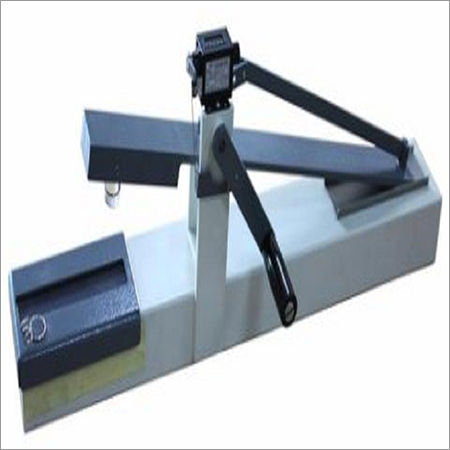
Tell us about your requirement

Price:
Quantity
Select Unit
- 50
- 100
- 200
- 250
- 500
- 1000+
Additional detail
Mobile number
Email

More Products in Textile Test Equipment Category
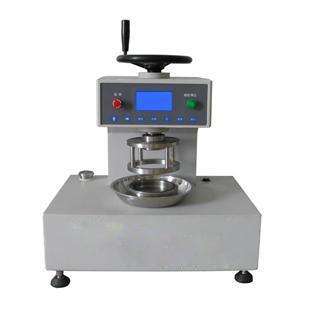
Hydrostatic Head Testing Equipment For Textile
Price 1088 USD ($) / Unit
Minimum Order Quantity : 1 Unit
Power Source : Electric
Application : Textile, Nonwovens, Coated Fabrics
Material : Stainless Steel and Acrylic
Type : Other, Hydrostatic Head Tester
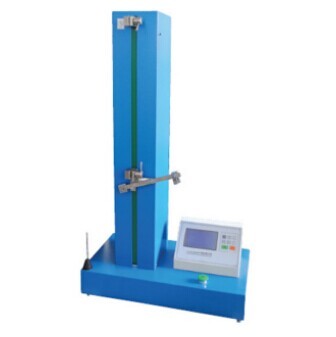
Cotton yarn strength Testing Machine
Price 2000 USD ($) / Unit
Minimum Order Quantity : 1 Unit
Power Source : Electric
Application : Cotton Yarn Strength Measurement
Material : Mild Steel Body
Type : Other, Yarn Strength Testing Instrument
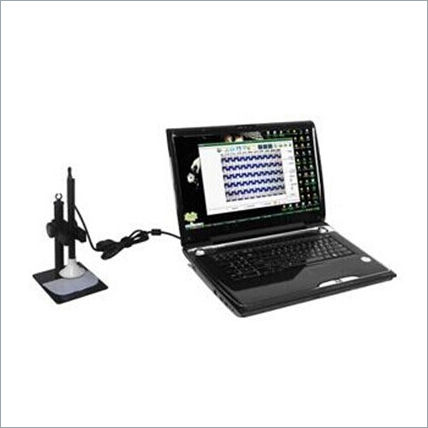
Fabric Density Meter
Price 1500 USD ($) / Unit
Minimum Order Quantity : 1 Unit
Power Source : Not Applicable (Hand Operated)
Application : Textile Quality Inspection, Weaving, Lab Testing
Material : Aluminum Body with Glass Scale
Type : Other, Handheld Fabric Density Meter
Ironing Sublimation Color Fastness Tester
Minimum Order Quantity : 1 Set
Power Source : AC 220V, 50Hz
Application : Color Fastness Test For Fabrics
Material : Stainless Steel, HighGrade Aluminum
Type : Other, Ironing Sublimation Color Fastness Tester

Contact Details
- FACTORY ADD: No.13 Daxin Street, Daluosha Industrial Zone, Daojiao Town,Dongguan - 523710, Guangdong, China
- Phone :86-1591-7693151
- haidads@qc-test.cn
 Send Inquiry
Email us : haidads@qc-test.cn
- Ms Lisa (Manager)
- Mobile : +8613662707979, +8613829267288, +8615016776323, +8618373745787, +8618236912012, +8613602361535, +8613925747786

|


 |
HAIDA INTERNATIONAL EQUIPMENT CO., LTD.
All Rights Reserved.(Terms of Use) Developed and Managed by Infocom Network Private Limited. |
