

 English
 Spanish
 French
 German
 Italian
 Chinese (Simplified)
 Japanese
 Korean
 Arabic
 Portuguese
 Send Inquiry
Rubber and foam permanent compression tester
MOQ : 1 Unit
Rubber and foam permanent compression tester Specification
- Features
- Corrosion-resistant body, temperature control, multi-specimen testing capability
- Hardness
- Not applicable (separate test)
- Interface Type
- Manual, optional digital output
- Power Supply
- 220V AC, 50 Hz
- Response Time
- Instant
- Application
- Measuring permanent compression set of rubber and foam materials
- Gas Pressure
- N/A (not required)
- Test Range
- 050 mm (compression displacement)
- Max Height
- Up to 50 mm
- Specimen Size
- 29 mm x 12.5 mm
- Equipment Type
- Rubber and Foam Permanent Compression Tester
- Mounting Type
- Bench-top
- Resolution
- 0.01 mm
- Display Type
- Digital / Dial Gauge
- Measuring Range
- 025 mm (typical specimen thickness)
- Accuracy
- 0.01 mm
- Frequency
- Single phase, 50 Hz
- Automation Grade
- Semi-automatic
- Port Size
- Standard (customizable based on specimen holder)
- Temperature
- Ambient to 200C
- Humidity
- Up to 85% RH
- Number of Specimens
- 3
- Operating Voltage
- 220V AC
- Usage
- Rubber, foam and elastomer testing
- Capacity
- 3 stations/test positions
- Machine Weight
- Approx. 45 kg
- Test Speed
- Standard rate as per ASTM D395
- Test Width
- 100 mm
- Test Stroke
- 25 mm
- Control Mode
- Manual or Electric
- Dimensions (LxWxH)
- 300 x 240 x 400 mm
- Fixture Material
- Hard chrome-plated steel
- Heating Arrangement
- With option to use standard oven for elevated temperature test
- Accessories
- Calibration gauge, Specimen spacers
- Finish
- Powder-coated/weather-resistant
- Safety Features
- Spring-loaded release, Non-slip feet
- Compression Plates
- Full hardened and ground steel plates for parallelism
Rubber and foam permanent compression tester Trade Information
- Minimum Order Quantity
- 1 Unit
- FOB Port
- Shenzhen
- Supply Ability
- 30 Units Units Per Month
- Delivery Time
- 15 Days
- Packaging Details
- Each set protected with resin fiber and PP film, then put into Strong wooden case with operation manual and video inside.
- Certifications
- CE,ISO
Rubber and foam permanent compression tester About
The usage:
It is mainly use for rubber static compression test,operation method:take standards specimens on the between surface plates,rotating the screw and compressing certain level,then put it on the oven,after the prescribed time,remove the specimen,cooling for 30 minutes and measure its thickness.
The main parameter:
- Test standard:ASTM-D395,JIS-K6262
- Specimens:rubber 28.68,12.7mm
- Volume:20*12*10cm
- Weight:11kg
Advanced Construction for Precision Testing
This tester is equipped with hard chrome-plated steel fixtures and fully hardened, ground compression plates, ensuring long-term durability and precise parallel alignment during tests. The weather-resistant, powder-coated finish further extends service life, even in demanding lab conditions.
Versatile for Multiple Test Requirements
Capable of testing up to three specimens at once, the instrument accommodates rubber, foam, and elastomer materials. With manual or optional electronic controls, it supports a variety of testing environmentsfrom quality assurance labs to production linesadhering to ASTM D395 for consistent results.
User-friendly and Safe Operation
Designed with operator safety and convenience in mind, the tester includes features such as spring-loaded release, non-slip feet, and calibration gauges. Manual and digital readout options, combined with instant response time, facilitate efficient and reliable measurement routines.
FAQs of Rubber and foam permanent compression tester:
Q: How does the Rubber and Foam Permanent Compression Tester operate?
A: The tester works by compressing rubber or foam specimens between parallel, hardened steel plates under precise, standard conditions, as defined by ASTM D395. You can manually or electrically control the compression, and the displacement is measured either digitally or with a dial gauge.Q: What types of materials and specimen sizes can be tested on this equipment?
A: This machine is specifically designed for testing rubber, foam, and elastomer samples. The typical specimen size it accommodates is 29 mm x 12.5 mm, and it can simultaneously test up to three specimens thanks to its triple-station design.Q: When should the equipment be calibrated, and how is it done?
A: Calibration should be performed regularly, typically before each new series of tests or after significant use, to maintain high accuracy (0.01 mm). Use the included calibration gauge and follow the manuals step-by-step calibration instructions.Q: Where can the tester be installed, and what are its space requirements?
A: This bench-top tester measures 300 x 240 x 400 mm (LxWxH) and weighs approximately 45 kg. Its suitable for installation in laboratories, quality control areas, or production facilities requiring precise compression set analysis.Q: What is the process for conducting a compression set test at elevated temperatures?
A: For elevated temperature testing, place the tester (or test fixture) inside a standard laboratory oven, set to your desired temperature (up to 200C). The tester is engineered for compatibility with ovens, allowing controlled testing conditions per ASTM standards.Q: How does multi-specimen testing benefit users?
A: By allowing simultaneous testing of three specimens, the equipment maximizes productivity, ensuring batch consistency and reducing overall testing timemaking it especially valuable for high-throughput labs or manufacturing quality checks.Q: What safety features are included in this tester?
A: Safety is enhanced through a spring-loaded release mechanism and non-slip feet, preventing accidental releases and movement during operation. These features help protect the user and secure the specimens throughout each test.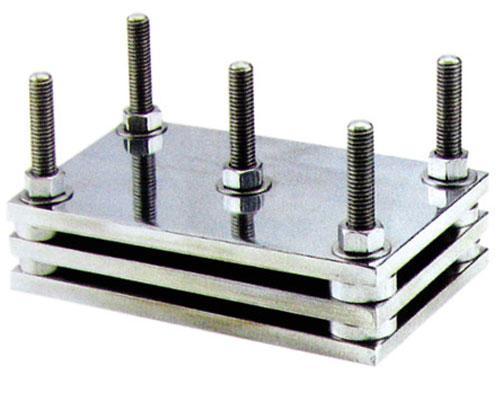
Tell us about your requirement

Price:
Quantity
Select Unit
- 50
- 100
- 200
- 250
- 500
- 1000+
Additional detail
Mobile number
Email

More Products in Optical Test Equipment Category
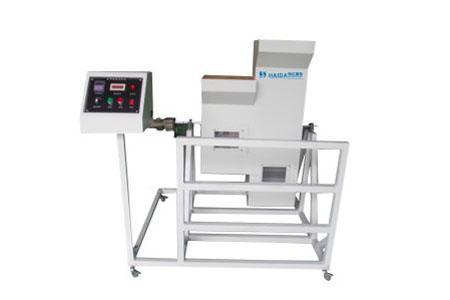
Double-roller drop test machine(HD-K913)
Price 3000 USD ($) / Unit
Minimum Order Quantity : 1 Unit
Features : Highprecision, doubleroller, programmable cycles, safety cover
Power Supply : AC220V, 50/60Hz
Application : Carton/package impact and durability testing
Mounting Type : Floorstanding

Vertical low temperature leather flexing tester
Price 3280 USD ($) / Unit
Minimum Order Quantity : 1 Unit
Features : Lowtemperature environment, automatic cycle counting, digital control, safety alarm
Power Supply : AC 220V, 50Hz
Application : Flexing test for leather, synthetic leather materials at low temperature
Mounting Type : Benchtop
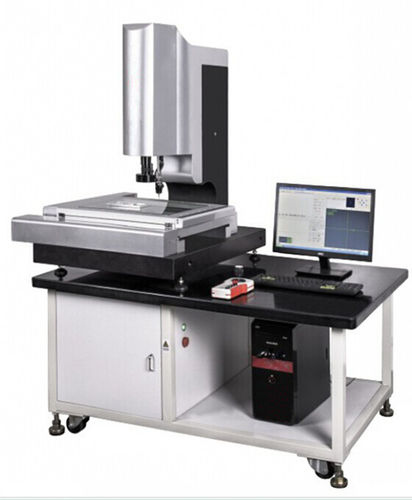
Three-dimensional image measuring
Price 299 USD ($) / Unit
Minimum Order Quantity : 1 Unit
Features : Noncontact measurement, high precision, programmable
Power Supply : AC 220V, 50/60Hz
Application : Precision measurement of 3D objects, electronics, dies, mechanical parts
Mounting Type : Tabletop
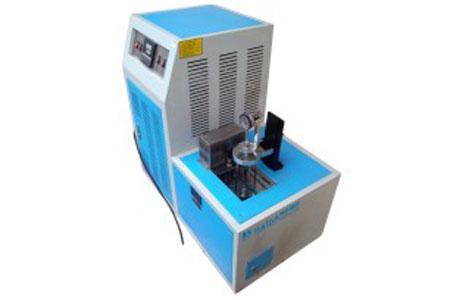
Compression cold-resistant coefficient test machine
Minimum Order Quantity : 1 Unit
Features : Automatic data recording, programmable cycles, overload protection
Power Supply : 220V AC, 50Hz
Application : Compression strength and cold resistance testing
Mounting Type : Benchtop

Contact Details
- FACTORY ADD: No.13 Daxin Street, Daluosha Industrial Zone, Daojiao Town,Dongguan - 523710, Guangdong, China
- Phone :86-1591-7693151
- haidads@qc-test.cn
 Send Inquiry
Email us : haidads@qc-test.cn
- Ms Lisa (Manager)
- Mobile : +8613662707979, +8613829267288, +8615016776323, +8618373745787, +8618236912012, +8613602361535, +8613925747786

|


 |
HAIDA INTERNATIONAL EQUIPMENT CO., LTD.
All Rights Reserved.(Terms of Use) Developed and Managed by Infocom Network Private Limited. |
