

 English
 Spanish
 French
 German
 Italian
 Chinese (Simplified)
 Japanese
 Korean
 Arabic
 Portuguese
 Send Inquiry
Computer Control Foams Hardness Test Machine
MOQ : 1 Set
Computer Control Foams Hardness Test Machine Specification
- Dimension (L*W*H)
- 950 mm x 600 mm x 1300 mm
- Weight
- Approx. 120 kg
- Screw Size
- 16 mm
- Frequency
- 50 Hz
- Accuracy
- ±0.5% of indicated value
- Capacity
- 200 kg
- Speed Range
- 10 mm/min to 500 mm/min
- Phase
- Single Phase
- Operating Temperature
- 10°C to 40°C
- Power Source
- Electric
- Application
- Foam, sponge, rubber, and similar material hardness testing
- Color
- Blue & White
- Stroke Length
- 200 mm
- Sensor
- High precision load cell
- Power Consumption
- 900 W
- Power
- 750 W
- Control System
- PLC based with computer interface
- Resolution
- 0.01 N
- Product Type
- Computer Control Foams Hardness Test Machine
- Load Capacity
- 200 kg
- Machine Speed
- Adjustable
- Voltage
- 220V AC
- Features
- Digital display, computer controlled, automatic recording
- Automatic Grade
- Automatic
- Material
- Mild steel mainframe
- Safety Features
- Emergency stop button, overload protection
- Fixture Type
- Universal sample fixture
- Data Output
- USB and LAN connectivity
- Display
- 7-inch Touchscreen LCD
- Memory Storage
- Internal storage for 500 test results
- Maintenance
- Low maintenance, easily replaceable parts
- Noise Level
- Less than 55 dB
- Language Support
- English, Chinese
- Software Compatibility
- Windows-based analysis software included
- Test Standards Supported
- Complies with ASTM D3574 and ISO 2439
- Test Modes
- Hardness, indentation, compression set
Computer Control Foams Hardness Test Machine Trade Information
- Minimum Order Quantity
- 1 Set
- FOB Port
- Shenzhen China
- Payment Terms
- Cash on Delivery (COD), Cash Advance (CA), Letter of Credit at Sight (Sight L/C), Paypal, Letter of Credit (L/C), Western Union, Delivery Point (DP), Cash Against Delivery (CAD), Telegraphic Transfer (T/T), Days after Acceptance (DA), Cash in Advance (CID), Cheque
- Supply Ability
- 150 Sets Per Month
- Delivery Time
- 15 days after received the order Days
- Packaging Details
- Each set protected with resin fiber and PP film, then put into Strong wooden case with operation manual and video inside.
- Main Export Market(s)
- Australia, Central America, North America, South America, Eastern Europe, Western Europe, Middle East, Africa, Asia
Computer Control Foams Hardness Test Machine About
- Computer Control Foams Hardness Test Machine
- General Specifications
- Packaging Dimensions: (W*D*H) 700*920*1200mm
- Power Supply Source: Single-Phase, 220v10%, 50/60hz (can Be Appointed)
- Gross Weight: 170kg
Applications & Test Purpose
Computer Control Foams Hardness Test Machine Is Used To Test Material Compressed Indentation Hardness, Such As Sponge, Foam And Other Porous Elastic. Put Specimen Under Pressure Plate, The Plate Compress The Specimen With A Specify Speed Until The National Standard Require Concavity, The Load Cell Feedback The Pressure To Computer, It Processing And Display, Then Measure The Indentation Hardness Of Sponge, Foam And Other Materials.
Design Standard: Astm D 3574
Standard Features
| Control and display | Computer |
| Sensor | Load cell |
| Capacity | 200KG |
| Unit | Kg, N, LB |
| Up plate | Diameter 200mm, bottom fillet R1mm |
| Low plate | 420420mm, holes diameter 6mm, space 20mm |
| Max stroke | 500mm |
| Test speed | 0500mm/min |
| Motor | Servo motor |
| Driver | Taiwan high precision ball screw |
| Power | Single phase, 220V, 50Hz |
| Weight | 160KG |
| Dimension | 7905901010mm |
| Accessories | One computer with software |
Effortless Data Handling and Comprehensive Connectivity
With built-in memory for storing up to 500 test results, users can easily manage and retrieve past data. The machines USB and LAN connectivity options, combined with included Windows-compatible analysis software, simplify data export, reporting, and further analysis. This seamless integration optimizes laboratory and industrial workflows.
Advanced Universal Fixture for Diverse Applications
Equipped with a universal sample fixture, this machine adapts to various material types, including foam, sponge, and rubber. Its ability to perform hardness, indentation, and compression set tests makes it invaluable for manufacturers, quality control labs, and research institutions seeking versatility and reliability.
Prioritizing Safety and Durability in Design
Safety features, such as the emergency stop button and overload protection, safeguard both users and the equipment. The machines robust mild steel mainframe ensures longevity, while low maintenance requirements and accessible replacement parts provide ongoing operational efficiency.
FAQs of Computer Control Foams Hardness Test Machine:
Q: How do I operate the foam hardness test machine and access stored test data?
A: Operating the machine is straightforward via the intuitive 7-inch touchscreen LCD. Simply select the desired test mode (hardness, indentation, compression set), adjust settings, and commence testing. Test results are automatically stored internally, and you can access or export up to 500 stored results through USB or LAN connectivity for review or further analysis.Q: What types of materials and standards does the machine support?
A: This testing machine is designed for foam, sponge, rubber, and related materials. It meets both ASTM D3574 and ISO 2439 test standards, ensuring accurate and consistent results for global compliance and diverse industrial requirements.Q: When should I use the automatic recording and analysis features?
A: Its best to utilize the automatic recording feature for every test to ensure reliable data capture. The included Windows-compatible analysis software should be used after testing, particularly when you need to conduct detailed reviews, generate reports, or share data across your organization.Q: Where can the machine be installed for optimal operation?
A: For optimal performance, install the machine in a temperature-controlled environment (10C to 40C), ensuring adequate space for its dimensions (950 mm x 600 mm x 1300 mm). A single-phase 220V AC power source is required. The quiet operation at less than 55 dB allows placement in laboratories or production facilities without causing noise disturbances.Q: What is the process for replacing parts and maintaining the machine?
A: Maintenance is minimal due to the machines robust design. Regularly inspect key components, such as the universal fixture and high-precision load cell. When necessary, parts are easily replaceable thanks to the machines accessible layout. Periodic software updates and calibrations will also help ensure ongoing accuracy and reliability.Q: How does computer control improve the testing process?
A: Computer control streamlines operations by automating test setup, execution, and result recording. It reduces manual errors, speeds up repeat testing, and allows real-time monitoring and adjustments through the PLC interface. This enhances consistency and frees up operator time for other tasks.Q: What benefits does the machine offer for manufacturers and quality assurance teams?
A: Manufacturers and QC teams benefit from its high accuracy (0.5%), large load capacity (200 kg), and multi-language support (English, Chinese). Automatic grading, precise digital readings with a 0.01 N resolution, and robust safety features help ensure quality, compliance, and operational efficiency in demanding industrial environments.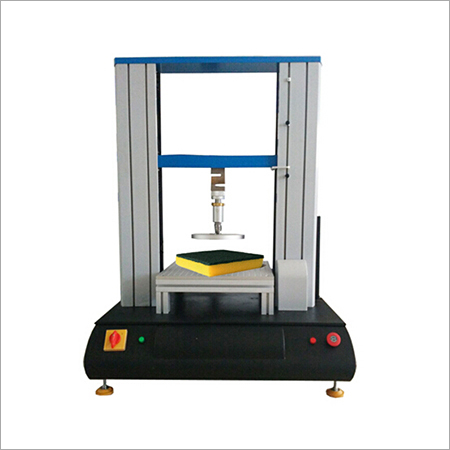
Tell us about your requirement

Price:
Quantity
Select Unit
- 50
- 100
- 200
- 250
- 500
- 1000+
Additional detail
Mobile number
Email

More Products in Universal Testing Machines Category
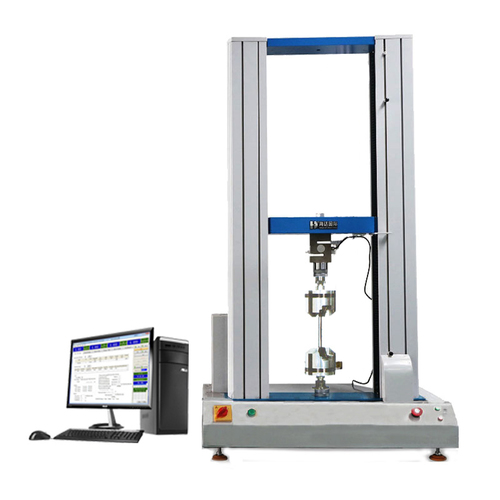
Electronics Universal Testing Machine
Price 3000 USD ($) / Unit
Minimum Order Quantity : 1 Unit
Product Type : Electronics Universal Testing Machine
Sensor : High precision load cell
Power : AC 220V/380V, 50/60Hz
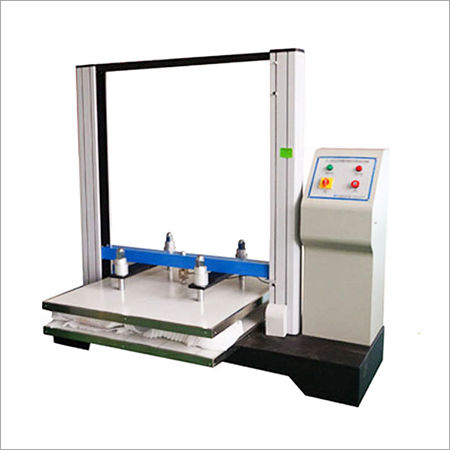
Paper Packaging Testing Machiine
Price 4500 USD ($) / Unit
Minimum Order Quantity : 1 Unit
Product Type : Paper Packaging Testing Machine
Sensor : High Sensitivity Load Cell
Power : 220V/50Hz
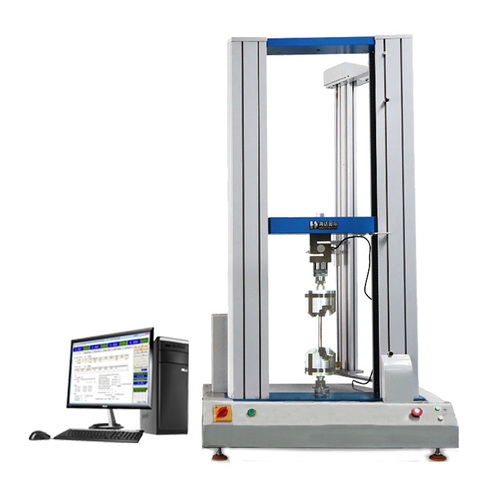
Universal Testing Equipment
Price Range 4000.00 - 7500.00 USD ($)
Minimum Order Quantity : 1 Set
Product Type : Universal Testing Equipment
Sensor : Load Cell
Power : 2 HP
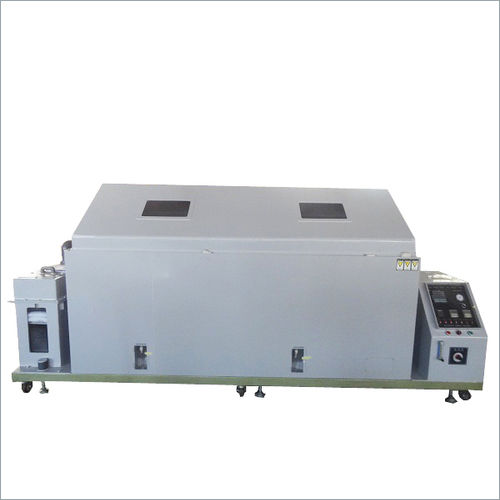
Steel Salt Spray Testing Machine HD-E808-160
Price 1350 USD ($) / Unit
Minimum Order Quantity : 1 Unit
Product Type : Steel Salt Spray Testing Machine
Sensor : Temperature and salt spray sensors integrated
Power : AC Power Supply

Contact Details
- FACTORY ADD: No.13 Daxin Street, Daluosha Industrial Zone, Daojiao Town,Dongguan - 523710, Guangdong, China
- Phone :86-1591-7693151
- haidads@qc-test.cn
 Send Inquiry
Email us : haidads@qc-test.cn
- Ms Lisa (Manager)
- Mobile : +8613662707979, +8613829267288, +8615016776323, +8618373745787, +8618236912012, +8613602361535, +8613925747786

|


 |
HAIDA INTERNATIONAL EQUIPMENT CO., LTD.
All Rights Reserved.(Terms of Use) Developed and Managed by Infocom Network Private Limited. |
